
A truly safe and healthy home is about more than fresh paint and tidy rooms. It involves the air your family breathes, the water they drink, the systems that keep them warm, and the daily habits that support long term wellbeing. Many homeowners focus on visible upgrades while overlooking the less obvious factors that quietly shape their family’s health. This guide walks through the practical, research backed steps you can take to build a home environment that truly supports everyone under your roof.
Why Indoor Air Quality Deserves Your Attention
The air inside a home can be two to five times more polluted than outdoor air, according to EPA estimates, especially in tightly sealed modern houses built for energy efficiency. Dust, pet dander, mold spores, and even off-gassing furniture or paint release volatile organic compounds (VOCs) that accumulate when ventilation is poor. Everyday culprits like carpeting, cleaning sprays, and synthetic upholstery can quietly contribute to this invisible buildup for months.
Families with young children, seniors, or anyone with asthma, allergies, or other respiratory sensitivities are especially vulnerable to these hidden irritants, since their bodies process airborne particles less efficiently. Even mild symptoms like headaches, fatigue, or frequent congestion can trace back to poor air quality rather than seasonal illness.
Improving airflow and temperature regulation throughout the home is one of the most impactful changes you can make. Simple steps—running exhaust fans, opening windows briefly each day, changing HVAC filters every 60-90 days, and using a hygrometer to keep humidity between 30-50%—can dramatically reduce indoor pollutant levels.
Two systems work together behind the scenes to keep indoor air comfortable and clean: your heating equipment and your insulation. Scheduling routine furnace repair before winter arrives prevents small issues, like a cracked heat exchanger or clogged filter, from turning into costly breakdowns or air quality hazards. A cracked heat exchanger, for instance, can leak carbon monoxide into your living space, while a clogged filter forces your system to work harder and circulates dust and allergens throughout the house.
Most HVAC technicians recommend a professional inspection once a year, ideally in early fall, along with filter changes every one to three months depending on household size, pets, and allergy sensitivities. Catching a worn belt or failing ignitor early often costs a fraction of an emergency repair, and it keeps your system running efficiently rather than straining to compensate for hidden damage.
At the same time, upgrading with professional home insulation services helps regulate temperature swings, reduces moisture buildup in walls, and keeps outdoor pollutants from seeping indoors. Well-installed insulation in attics, walls, and crawl spaces also minimizes the gaps and cracks where dust, pollen, and even pests can enter. Together, a well-maintained furnace and properly insulated home create a balanced indoor environment where air stays cleaner, energy bills stay lower, and your family breathes easier year-round.
- Replace HVAC filters every one to three months, checking sooner if you have pets, allergies, or run the system heavily during summer and winter
- Choose a MERV 8-13 filter for a good balance of air filtration and airflow without straining your system
- Keep indoor humidity between 30 and 50 percent using a hygrometer to monitor levels and a dehumidifier in damp areas like basements
- Add door sweeps and weatherstripping around exterior doors and windows to block drafts, dust, pollen, and outdoor pollutants
- Have ductwork professionally inspected every two to three years for dust buildup, mold growth, or signs of pest activity
- Consider a whole-home air purifier or UV light system for households with asthma, allergies, or young children
The Overlooked Importance of Water Quality
Tap water that looks clear can still carry contaminants like lead, chlorine byproducts, sediment, or bacteria depending on your municipal supply or well source. These substances may not cause immediate symptoms but can contribute to long term health issues with repeated exposure. Testing your water annually gives you a clear picture of what your family is actually consuming.
Installing water filtration systems tailored to your home’s specific contaminants is one of the most direct ways to protect your family’s health. Some households benefit from whole home systems that treat every tap, while others only need a targeted filter under the kitchen sink. Either way, clean water supports better digestion, healthier skin, and reduces the buildup of scale in appliances over time.
- Request a municipal water quality report from your local provider
- Test well water at least once a year for bacteria and heavy metals
- Choose filtration based on lab results, not marketing claims alone
- Replace filter cartridges on schedule to maintain effectiveness
Preparing for Power Outages Without Sacrificing Safety
Severe weather, grid failures, and seasonal storms can knock out power for hours or days, leaving families without heat, refrigeration, or working sump pumps. This is particularly risky for households with medical equipment, infants, or elderly residents who depend on stable temperatures. Planning ahead reduces panic and keeps essential systems running when you need them most.
Professional generator installations give homeowners a reliable backup power source that kicks in automatically during an outage, rather than relying on gas powered portable units that require manual setup and careful ventilation. A properly sized and installed system can power critical circuits like the refrigerator, furnace, and medical devices without overloading your home’s electrical panel. Working with a licensed installer also ensures the unit meets local safety codes and permitting requirements.
- Determine which appliances and systems are essential versus optional
- Keep carbon monoxide detectors near any fuel burning equipment
- Schedule annual maintenance to confirm the generator starts reliably
- Store extra fuel safely and away from living spaces
Making Backyard Spaces Safer for Everyone

Outdoor areas are where families spend some of their best time together, but they also carry risks that are easy to underestimate. Uneven pathways, unsecured pool areas, and poorly maintained decking contribute to a large share of home related injuries each year. A little foresight in how these spaces are designed and maintained goes a long way toward preventing accidents.
If a pool is part of your backyard plans, working with a qualified in ground pool installer matters more than many homeowners realize. Proper grading, drainage, and fencing during installation reduce the risk of flooding, slipping, and unsupervised access by young children. A well installed pool also includes safety features like anti entrapment drain covers and code compliant barriers that are easy to overlook with lower cost providers.
- Install self latching gates around any pool or water feature
- Choose slip resistant materials for decks and pool surrounds
- Keep rescue equipment like a shepherd’s hook nearby
- Schedule regular inspections of fencing and gate hardware
Maintaining a Safe and Healthy Lawn
The yard surrounding your home plays a bigger role in family health than most people consider, particularly when it comes to chemical exposure. Overuse of pesticides and fertilizers can affect children and pets who play on the grass, and runoff can contaminate nearby water sources. Understanding what is being applied to your lawn is an important part of protecting your household.
A reputable lawn care company should be transparent about the products they use and offer organic or reduced chemical options for families who want them. Asking about application timing also helps you keep kids and pets off treated areas until it is safe to return. Beyond chemicals, well maintained landscaping reduces pest habitats and prevents overgrown areas that can hide hazards like sharp tools or debris.
- Ask for material safety data sheets on any products applied to your lawn
- Wait the recommended reentry period before letting kids or pets outside
- Aerate and overseed to maintain a naturally resilient, low chemical lawn
- Keep walkways clear of tripping hazards like exposed roots or hoses
Keeping Up with Routine Health Screenings

A safer home environment goes hand in hand with consistent preventive healthcare for every family member. Skipping regular checkups often means small issues go unnoticed until they become bigger, more expensive problems. Annual physicals, dental cleanings every six months, and vision exams every one to two years catch conditions like high blood pressure, cavities, or vision changes before they escalate.
Age-specific screenings matter too: pediatric wellness visits track growth and vaccinations, while adults benefit from periodic cholesterol checks, cancer screenings starting in their 40s or 50s, and blood sugar tests if diabetes runs in the family. Building a habit of routine screenings sets a positive example for children as well, teaching them early that healthcare is a normal, proactive part of life rather than something to fear or postpone.
Two appointments that are frequently postponed are visits to the dentist and the eye doctor, yet both play a significant role in overall wellbeing. Oral health issues have been linked to heart disease, diabetes complications, and other systemic conditions, making a dentist visit about far more than just clean teeth. Most dental professionals recommend checkups every six months, since early detection of cavities or gum disease is far less costly and painful than treating advanced decay.
Vision care deserves the same attention. Uncorrected vision problems can affect a child’s ability to read and focus in school, while for adults, deteriorating eyesight can compromise driving safety and workplace performance. An annual visit to the eye doctor can catch conditions like glaucoma or macular degeneration long before symptoms become noticeable.
Scheduling these visits on a predictable annual or biannual basis, perhaps tied to a birthday month or the start of a new school year, helps families build a routine they won’t forget. Keeping a simple calendar or reminder app for each family member’s appointments ensures problems are caught while they are still easy and inexpensive to treat.
- Book dental cleanings every six months for adults and children, and mention any sensitivity, bleeding gums, or jaw pain to catch issues early
- Schedule a comprehensive eye exam annually, more often for those with existing conditions like glaucoma or diabetic retinopathy
- Get blood pressure and cholesterol checked yearly for adults, since both often show no symptoms until they become serious
- Follow pediatric well-visit schedules for growth, vision, hearing, and developmental milestones
- Track family health history to flag conditions like heart disease, diabetes, or certain cancers that need earlier or more frequent screening
- Keep a shared calendar, digital or paper, so appointments across all family members do not get overlooked
- Set reminders a week ahead for each appointment to arrange transportation, time off work, or childcare if needed
Addressing Hearing Health at Every Age
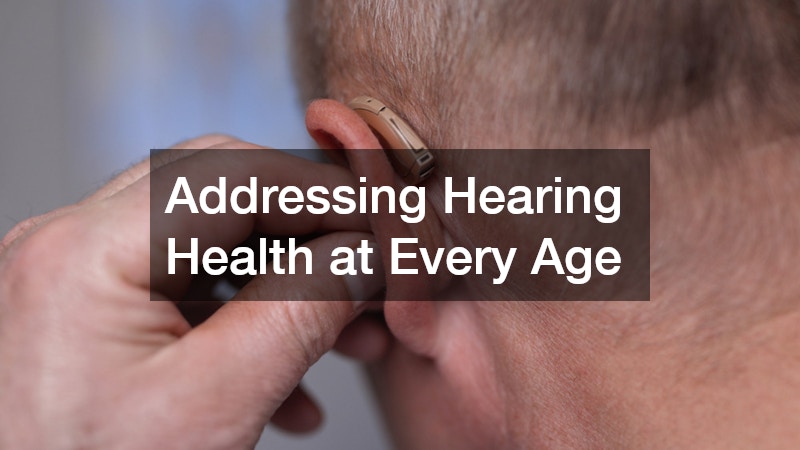
Hearing loss is often gradual, which means it can go unnoticed for years while it quietly affects communication and safety at home. Family members may not realize how much they have been relying on lip reading or asking others to repeat themselves. Left unaddressed, hearing difficulties can also increase the risk of missing important alarms or warning sounds within the house.
For those experiencing noticeable hearing changes, modern hearing aids are far more discreet and effective than older models, offering features like background noise reduction and direct smartphone connectivity. Getting a baseline hearing test, even before problems seem obvious, gives you a reference point for tracking changes over time. Addressing hearing loss early has also been linked to better cognitive health and reduced social isolation in older adults.
- Schedule a hearing test if conversations are frequently misheard
- Keep smoke and carbon monoxide alarms loud enough for all household members
- Reduce prolonged exposure to loud yard equipment or power tools
- Revisit hearing aid settings periodically as needs change
Building Physical Activity into Family Routines

A safer home environment is only part of the picture; physical activity is equally important for long term family health. Sedentary habits have become more common with increased screen time, making it easy for both adults and children to fall short of recommended activity levels. Creating simple routines at home can help counteract this trend without requiring a major lifestyle overhaul.
For families who want more structured guidance, working with a personal trainer, even for a few sessions, can help establish safe exercise habits tailored to different ages and fitness levels. A trainer can also identify small form corrections that prevent injury during at home workouts. Beyond formal training, simply setting aside time for walks, yard games, or stretching together builds activity into the family’s daily rhythm.
- Aim for at least 150 minutes of moderate activity per week for adults
- Encourage kids to get 60 minutes of active play daily
- Create a designated space at home for stretching or light exercise
- Track progress together to keep motivation high
Building a safer, healthier home does not happen overnight, but small consistent steps add up to meaningful protection for your family. Start by identifying which area feels most urgent, whether that is air quality, water safety, or overdue health checkups, and tackle it before moving to the next. Over time, these combined efforts create a living environment that genuinely supports your family’s long term wellbeing. Taking action today, even in small ways, is the clearest path toward a healthier tomorrow at home.