Key Takeaways
- Start with one small area at a time to make decluttering more manageable and build momentum.
- Use simple organization methods, such as sorting items into keep, donate, or discard categories, to make decisions easier.
- Maximize storage by using vertical space, under-bed containers, and multi-purpose furniture in small apartments.
- Keep countertops, closets, and entryways organized to reduce visual clutter and improve everyday functionality.
- Establish daily and weekly routines to prevent clutter from building up again over time.
- Limit unnecessary purchases by following habits that help maintain an organized living space.
- A tidy, well-organized apartment can help reduce stress, improve focus, and create a more relaxing home environment.
Living in a small apartment has many advantages. It usually costs less to heat and cool, takes less time to clean, and encourages you to be more intentional about what you bring into your home. However, limited space can also become stressful when closets overflow, countertops disappear under clutter, and everyday items no longer have a clear place to go.
When a small apartment feels crowded, it can affect more than just appearance. Clutter often makes it harder to focus, relax, and keep up with daily routines. Many people find that a tidy, organized space helps them feel calmer and more in control of their environment. The good news is that you don’t need a massive weekend overhaul to see results. Small, consistent changes can make a surprisingly big difference.
This guide shares 15 simple ways to declutter a small apartment, create more usable space, and reduce the stress that comes from feeling surrounded by too much stuff.
Why Clutter Feels More Stressful in a Small Space
In a larger home, clutter can often be hidden behind closed doors or spread across multiple rooms. In a small apartment, every item competes for valuable space. Piles of mail on the table, shoes near the door, or unused kitchen gadgets on the counter become much more noticeable.
Visual clutter constantly reminds your brain of unfinished tasks and decisions. This can make it harder to relax, especially when your living room, workspace, and dining area all occupy the same room.
Decluttering isn’t about creating a perfectly minimalist home. It’s about making your apartment easier to live in and reducing the mental load that comes from managing too many belongings.
A calmer space often leads to a calmer mind.
Signs clutter may be causing stress:
- You feel overwhelmed when you walk in.
- Cleaning takes longer than expected.
- You frequently lose items.
- Counters and tables are always full.
- You avoid inviting people over.
- Your apartment feels smaller than it should.
1. Start With One Small Area
One of the biggest decluttering mistakes is trying to organize the entire apartment at once. That approach often leads to frustration and unfinished projects.
Instead, choose one small area such as a single drawer, one shelf, or the bathroom cabinet. Set a timer for 15 or 20 minutes and focus only on that space.
Completing a small task gives you a sense of progress and makes it easier to continue. Many people are surprised by how much motivation comes from finishing one tiny project.
Small wins build momentum for larger changes.
Good places to start:
- Junk drawer
- Bathroom cabinet
- Bedside table
- One kitchen shelf
- Entryway basket
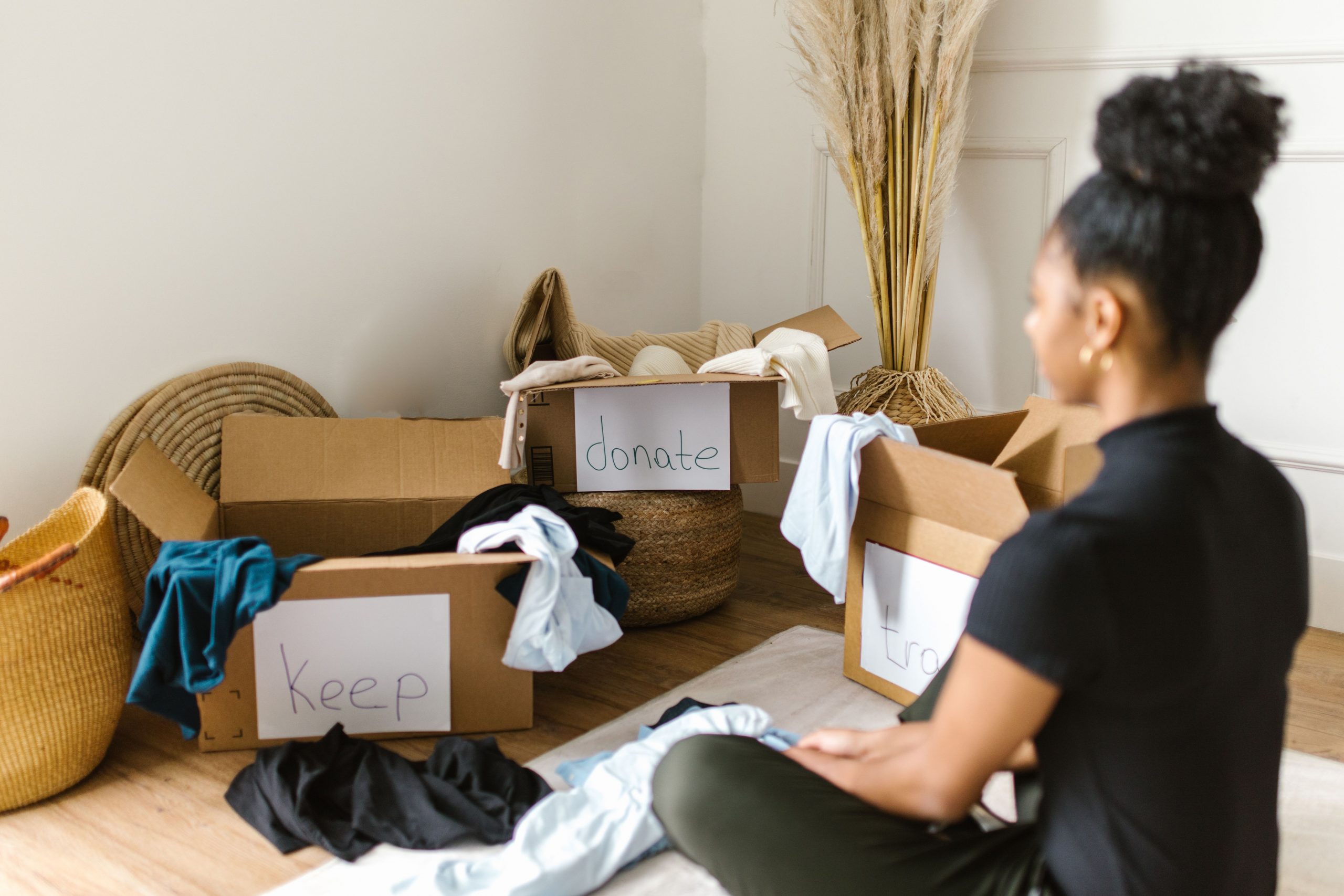
2. Use the “Keep, Donate, Trash” Method
As you go through your belongings, sort everything into three simple categories: keep, donate, or trash/recycle.
Avoid creating a large “maybe” pile, which often becomes another source of clutter. Ask yourself whether you use the item regularly, whether it still works, and whether you would buy it again today.
Being honest about what you actually use helps free up valuable space for the things that truly support your daily life.
This method keeps decision-making simple and efficient.
Ask yourself:
- Have I used this in the last year?
- Does it still work?
- Do I have duplicates?
- Would I miss it if it were gone?
- Does it add value to my life?
3. Clear Off Countertops
Kitchen and bathroom countertops collect clutter quickly because they are convenient drop zones.
Store appliances you rarely use inside cabinets, organize toiletries in drawers or bins, and keep only a few essential items on display. Clear surfaces instantly make a small apartment feel larger and cleaner.
A simple tray can help contain everyday essentials such as soap, lotion, or cooking oils without making the area look messy.
Less visual clutter creates a more peaceful atmosphere.
Keep countertops limited to:
- Daily-use items
- Soap dispenser
- Coffee maker (if used daily)
- Small decorative accent
- Fresh plant or flowers
4. Maximize Vertical Space
When floor space is limited, look up. Walls offer valuable storage opportunities that many apartment dwellers overlook.
Install floating shelves, over-the-door organizers, wall hooks, or pegboards to store books, kitchen tools, bags, and other frequently used items. Vertical storage keeps belongings accessible without taking up precious floor area.
Using the height of your apartment helps create a more open and organized layout.
Vertical storage works especially well in kitchens, bathrooms, and entryways.
Vertical storage ideas:
- Floating shelves
- Over-door organizers
- Wall hooks
- Pegboards
- Tall bookcases
- Hanging baskets
5. Declutter Your Closet
Closets often become storage spaces for clothing that no longer fits, items that haven’t been worn in years, and miscellaneous household goods.
Remove everything from the closet and sort through it piece by piece. Donate clothing that no longer fits your lifestyle, repair items you truly want to keep, and let go of duplicates.
Consider using slim matching hangers to create a neater appearance and free up additional hanging space.
A well-organized closet makes getting dressed much less stressful.
Closet decluttering tips:
- Donate unworn clothes
- Use matching hangers
- Store off-season items separately
- Keep only what fits and feels good
- Organize by category
6. Create a Simple Entryway System
Even if your apartment doesn’t have a formal entryway, create a designated spot for keys, mail, bags, and shoes.
A small shelf, wall hook, or basket near the door prevents these items from spreading throughout the apartment. Sort mail immediately and recycle junk mail before it reaches your kitchen table.
Having a consistent place for everyday items saves time and reduces frustration when you’re trying to leave the house.
A simple system keeps clutter from entering the rest of your home.
Entryway essentials:
- Key hook
- Mail tray
- Shoe basket
- Bag hook
- Small catch-all dish
7. Use Under-Bed Storage
The space under your bed is valuable real estate in a small apartment.
Use low-profile storage bins or vacuum-sealed bags for seasonal clothing, extra bedding, holiday decorations, or other items you don’t need every day. Label the containers clearly so you can find things easily later.
Keeping these items out of closets and living areas helps reduce visual clutter throughout the apartment.
Hidden storage keeps your main living spaces feeling more open.
Good under-bed storage items:
- Seasonal clothes
- Extra blankets
- Holiday decorations
- Spare linens
- Travel accessories
8. Follow the One-In, One-Out Rule
To prevent clutter from returning, adopt a simple habit: whenever you bring a new item into the apartment, remove one similar item.
Buy a new sweater? Donate an old one. Replace a kitchen gadget? Get rid of the one you no longer use. This rule helps maintain balance and prevents gradual accumulation.
It also encourages more thoughtful shopping decisions because you’ll consider whether a new purchase is worth the space it will occupy.
This habit is one of the easiest ways to maintain long-term organization.
9. Digitize Paper Whenever Possible
Paper clutter can build up surprisingly fast in a small apartment. Bills, receipts, manuals, warranties, and old documents often pile up in drawers and folders.
Scan important documents and store them securely in cloud storage or on a password-protected device. Keep only the physical copies you truly need.
Reducing paper clutter frees up storage space and makes important information easier to find when you need it.
A small filing folder is often enough for essential documents.
Documents to consider scanning:
- Receipts
- Appliance manuals
- Warranties
- Insurance documents
- Tax records
- Medical paperwork
10. Organize the Kitchen by Frequency of Use
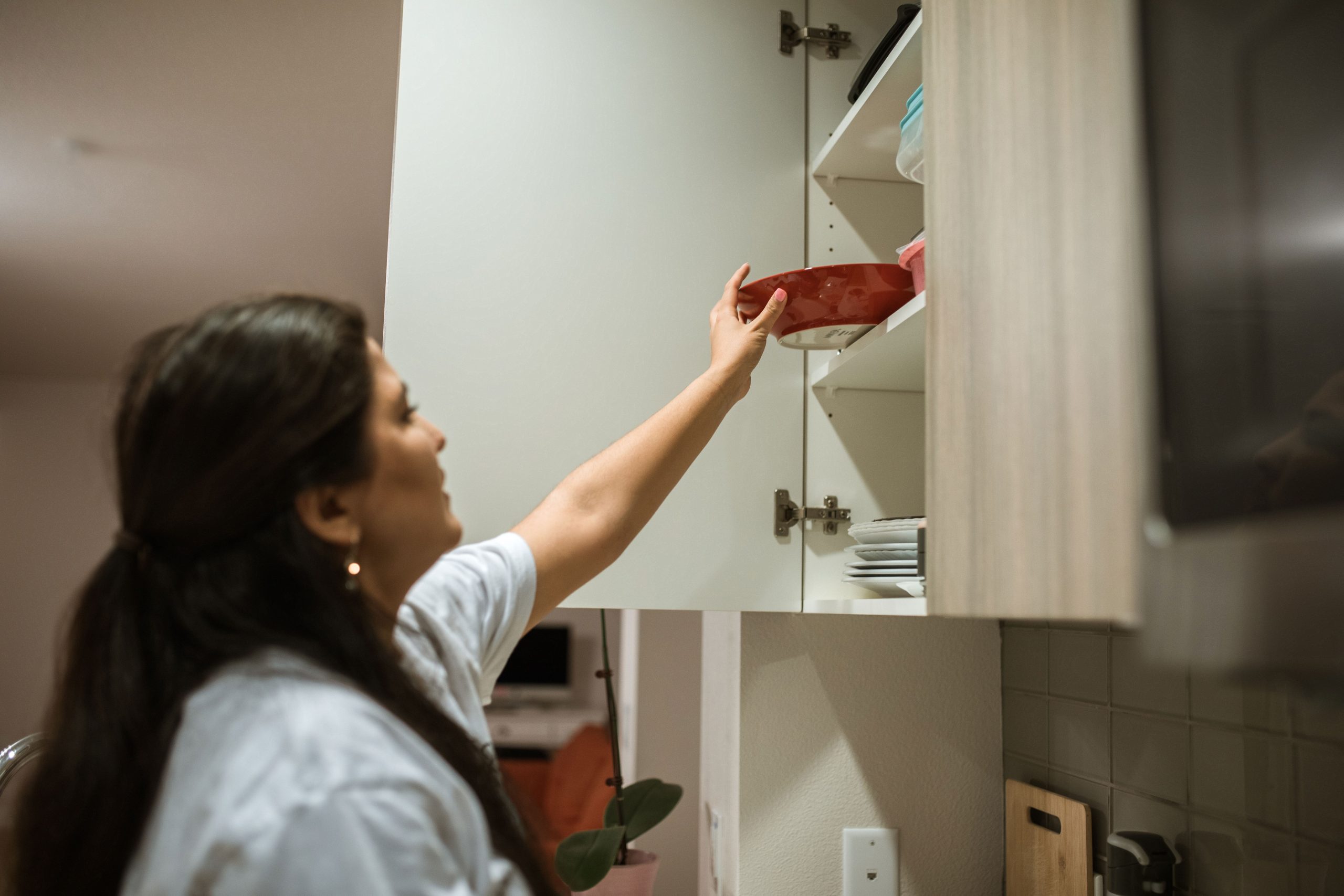
Store the items you use every day in the easiest-to-reach locations. Less frequently used appliances, serving dishes, and specialty cookware can go on higher shelves or in deeper cabinets.
Group similar items together so you don’t have to search multiple cabinets while cooking. Drawer dividers and small bins can help keep utensils, spices, and pantry items organized.
An efficient kitchen feels larger and makes meal preparation less stressful.
Good organization also helps you avoid buying duplicate items.
Keep nearby:
- Everyday dishes
- Frequently used cookware
- Cooking utensils
- Common spices
- Food storage containers
11. Make Your Balcony or Entry Area Work Harder
If your apartment has a small balcony or exterior entry area, use it wisely. A compact storage bench can hold gardening supplies, outdoor cushions, or seasonal items while providing extra seating.
Keeping these items outside your main living area frees up valuable indoor storage space. It can also contribute to refreshing your property’s curb appeal by creating a cleaner, more welcoming entrance.
Choose weather-resistant furniture and avoid overcrowding the space with decorations.
A tidy outdoor area makes the entire apartment feel more organized.
12. Schedule a Weekly Reset
Decluttering is much easier when you maintain it regularly. Set aside 10 to 15 minutes once a week for a quick apartment reset.
Put away items that have drifted out of place, empty trash bins, sort mail, wipe down surfaces, and return clutter to its proper home. This small routine prevents messes from building up into overwhelming projects.
Many people find Sunday evenings or Friday afternoons work well for this habit.
Consistency is far easier than repeated major cleanouts.
Weekly reset checklist:
- Put items away
- Empty trash
- Sort mail
- Wipe surfaces
- Vacuum high-traffic areas
- Check storage bins
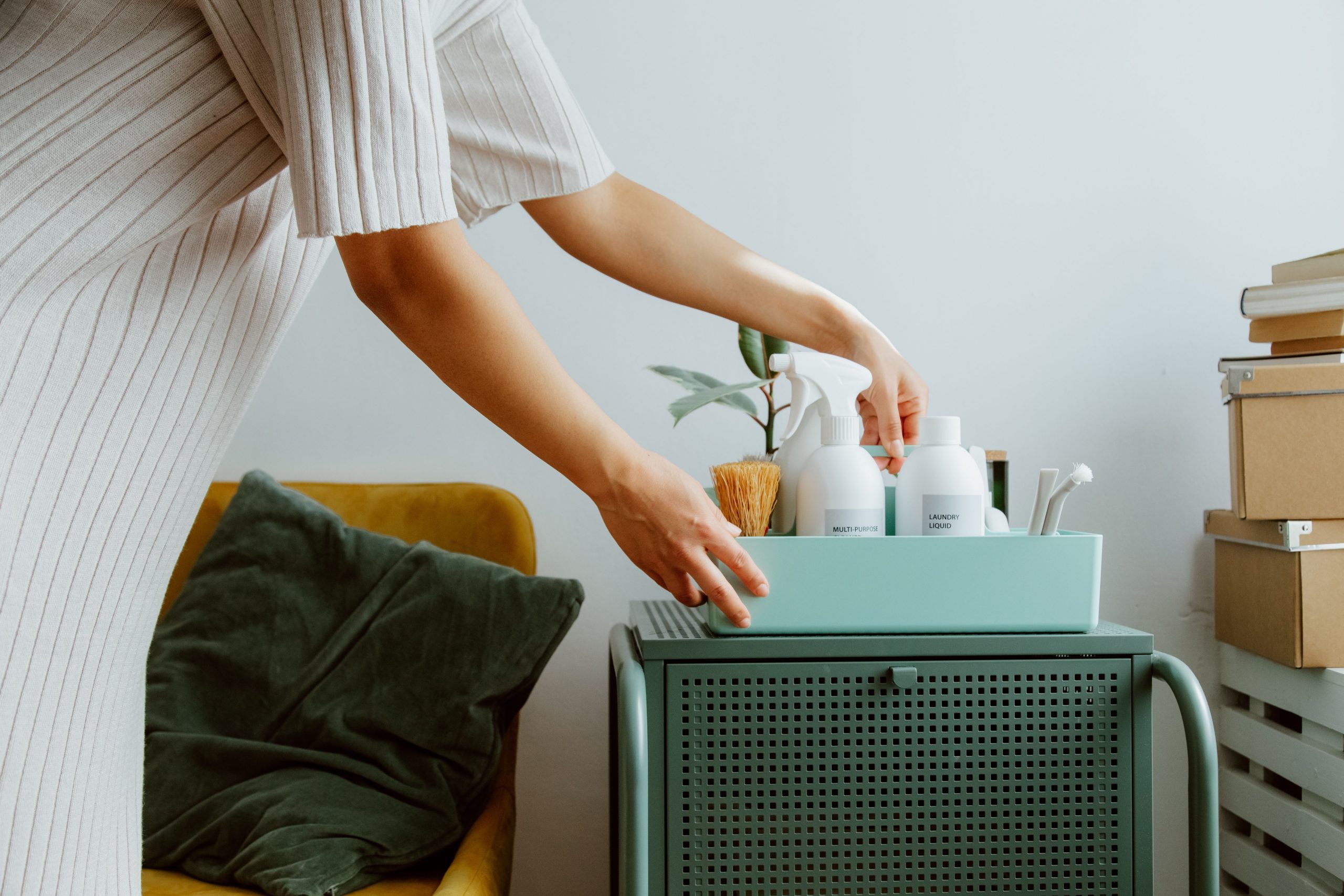
13. Keep Cleaning Supplies Simple
You don’t need dozens of specialized products for a clean apartment. A few multipurpose cleaners, microfiber cloths, a vacuum, and basic bathroom supplies are usually enough for most households.
Storing fewer cleaning products saves cabinet space and makes it easier to keep supplies organized. It also reduces the chance of buying duplicates because you can’t find what you already own.
A simple cleaning routine is often easier to maintain consistently.
Less clutter under the sink means less stress during cleaning time.
14. Reduce Visual Clutter
Even when everything is technically organized, too many visible items can make a small apartment feel busy. Limit the number of decorative objects on shelves, tables, and countertops.
Use baskets or bins to hide everyday necessities such as chargers, remote controls, and office supplies. Choosing a consistent color palette for storage containers also creates a calmer, more cohesive appearance.
Open space is just as important as storage space in a small home.
Your eyes need places to rest.
Reduce visual clutter by:
- Limiting decorative items
- Using matching storage bins
- Hiding cords and chargers
- Keeping surfaces mostly clear
- Choosing a simple color palette
15. Think Beyond the Inside of Your Apartment
A calmer living environment isn’t only about indoor organization. Taking care of exterior areas, shared balconies, or entry spaces can also reduce stress and create a greater sense of pride in your home.
Simple habits such as sweeping outdoor areas, storing seasonal items properly, and protecting your home’s exterior year round help maintain a cleaner, more functional environment overall. Even apartment residents can benefit from paying attention to these often-overlooked spaces.
When both your indoor and outdoor areas feel orderly, your home becomes a more relaxing place to return to each day.
A well-cared-for environment supports a healthier state of mind.
Final Thoughts
Decluttering a small apartment doesn’t require expensive storage systems or a perfectly minimalist lifestyle. The most effective approach is often the simplest: start small, remove what you no longer use, organize items by function, and build easy maintenance habits that keep clutter from returning.
By clearing countertops, using vertical storage, organizing closets, creating an entryway system, and scheduling regular resets, you can make your apartment feel significantly larger and more peaceful. Just as importantly, you’ll spend less time searching for things and more time enjoying your home.
Remember that decluttering is a process, not a one-time event. Even 10 or 15 minutes of focused organizing can create noticeable progress. Over time, these small efforts add up to a home that feels calmer, more functional, and far less stressful—no matter how small your apartment may be.