Keeping the outside of your home in good shape is about more than curb appeal. When you stay on top of grime, standing water, and small signs of wear, you help protect siding, concrete, lawns, and outdoor structures from premature damage. A clean exterior also makes your property more welcoming, so you actually want to spend time outside instead of avoiding certain corners of the yard.
Every home is different, but most exteriors benefit from the same core habits: managing water, staying ahead of dirt, and treating outdoor features as part of one connected system. From the way your pool water is balanced to how your gutters move rain away, each choice has a ripple effect. Even decisions like which inground pool contractors you hire or how often you sweep the patio can influence how long your exterior materials last and how clean everything feels day to day.
Understanding Exterior Wear And Weather
Sun, wind, and rain are constant forces on any home. UV rays fade paint and weaken some plastics, while repeated wetting and drying can cause wood and certain masonry to crack or warp over time. Leaves and soil that collect against the house hold moisture against surfaces, creating a perfect place for mildew and pests. Keeping garden beds neatly edged and replenished with the right landscaping supplies helps you create tidy borders that are easier to clean around and less likely to trap excess water.
Hard surfaces such as walkways, retaining walls, and patio edges also take a beating from weather and foot traffic. When these are designed with proper drainage and durable materials, they shed water instead of letting it sit in low spots. Many homeowners work with hardscaping services to create paths, steps, and borders that guide water away from the foundation and reduce erosion. Thoughtful layout pays off later, because you spend less time scrubbing mud off walls and more time doing simple touch up cleaning on well-draining, stable surfaces.
Protecting Pool Areas From The Outside In
If you have a backyard pool, the surrounding area plays a huge role in how clean and protected your exterior stays. Grass clippings, soil, and leaves easily blow into the water and stick to wet decks, which can stain concrete and create slick film if they are not rinsed away. Partnering with a reliable swimming pool service helps you stay ahead of that buildup so debris is skimmed and filters are cleaned before everything has a chance to settle into stains.
The design and long term care of the pool itself also matter for nearby structures. Well planned decks, fencing, and planted areas can keep splashing water away from house walls and allow room to walk without tracking mud back indoors. Many inground pool contractors can suggest layouts that separate wet and dry zones, making it easier to keep dirt away from the pool and to rinse surfaces after heavy use. That separation means less moisture lingering next to your siding and fewer puddles that attract insects and grime.
Balancing Water To Protect Surroundings
Water chemistry might seem like an issue only for swimmers, but it has a big impact on the materials around your pool. When the water stays too basic or too acidic for long stretches, it can slowly damage plaster, tile grout, metal fixtures, and nearby stone. Learning how to lower pH in pool water when it drifts out of range, and then rechecking levels, helps you avoid that slow wear and tear. Balanced water is less likely to leave scale or etching that you later have to scrub from coping or decking.
Minerals and dissolved solids build up over time as well, especially in areas with hard tap water. That buildup can leave cloudy deposits on tile lines and cause more frequent scrubbing along the waterline. To address this without repeatedly draining, some homeowners turn to reverse osmosis pool service to filter out excess minerals in place. By reducing the load of dissolved solids, you cut down on crusty residue and make it easier to keep both the pool interior and adjacent surfaces looking clean.
Caring For Outdoor Living Spaces
Patios, porches, and decks extend your living space, but they also collect pollen, soot, and dust from daily life. A covered or screen patio can keep insects and larger debris out, yet the framing, screens, and floors still need regular sweeping and occasional washing. When you keep that enclosure brushed free of spider webs and surface grime, it is less likely that dirt will wash off during storms and streak nearby windows or walls.
Rooflines and overhangs above outdoor living areas deserve attention too, because they influence where rainwater falls. If water pours off one edge or drips in a steady line over the same board, stains and rot can develop faster in that spot. Pairing your outdoor seating area with well positioned seamless gutters helps route runoff to safer places. That way you limit the amount of dirty water splashing onto concrete, doors, or siding where it can leave trails and encourage mold growth.
Managing Water Runoff Around The House
Rainwater that is not directed correctly can quietly cause some of the biggest messes and repairs. When gutters clog or sag, they overflow and send dirty water down walls, where it can stain siding and soak the soil near the foundation. If you routinely see waterfalls from your eaves during storms, it may be time to assess whether gutter replacements are needed in certain sections. Fresh, properly sized systems make it easier to move water away from high traffic walkways and entry points.
Even when gutters are in good shape, their layout matters. Downspouts that empty too close to a corner or driveway can cause erosion, slippery algae growth, and repeated dirt splashes on nearby surfaces. Installing or upgrading to seamless gutters gives you more control over where joints and outlets sit, reducing leaks along the runs. With fewer seams to fail, you spend less time scrubbing rust marks or streaks off your exterior and more time on light cleaning that preserves paint and trim.
Building Durable Outdoor Surfaces
The ground under your feet sets the stage for how clean and stable your exterior feels. Bare soil quickly turns to mud when it is regularly walked on, and that mud ends up on steps, porches, and even interior floors. One way to support a cleaner yard is to establish sturdy turf in high traffic areas, sometimes with the help of a hydroseeding company that can provide dense, uniform grass coverage on slopes or larger sections. Healthy turf anchors soil, absorbs some water, and creates a cleaner path than exposed dirt.
Where grass is not practical, durable paths and patios make all the difference. Well compacted base layers and quality pavers or concrete mean fewer cracks where weeds and grime can take hold. Many people lean on hardscaping services to design and install these surfaces with proper grading so that water moves where it should. When hardscape is thought out from the start, cleaning usually involves quick sweeping and occasional rinsing rather than constant scrubbing or patching.
Supporting Healthy Lawns And Plantings
Plants do more than look pretty; they play a big role in protecting your home’s exterior. Deep rooted shrubs and groundcovers help hold soil on slopes, reducing how much dirt washes onto driveways and patios during storms. Mulch and edging also keep weeds down and create a barrier between soil and siding. Stocking up on the right landscaping supplies, such as quality mulch, edging materials, and soil amendments, helps you build beds that are both attractive and easier to maintain in the long run.
Larger areas of lawn or newly graded spaces benefit from strong, even grass growth. Thin or patchy turf lets rain carve channels that carry mud and gravel across your property, leading to messy cleanup and potential damage to hard surfaces. In these cases, partnering with a hydroseeding company can be an efficient way to establish thick grass that resists erosion. Once that turf is in place and trimmed regularly, you will notice less soil on walkways and fewer muddy footprints making their way inside.
Preventing Dirt And Debris Buildup
Dust, pollutants, and organic debris all settle on outdoor surfaces over time, creating slippery films and dark stains. Regular rinsing and gentle cleaning keep this from building up to the point where you need aggressive scrubbing. If you have a pool, keeping the water itself cleaner is a big piece of that puzzle. Scheduling reverse osmosis pool service when mineral buildup becomes noticeable can reduce the cloudy residues that cling to tiles and splash out onto decks, leaving less for you to scrub by hand.
The same idea applies to circulation and filtration in and around the pool. A consistent routine with a trusted swimming pool service means baskets are emptied, filters are checked, and small issues are caught before they lead to major staining or equipment leaks. When the water stays clear and debris is removed quickly, you are less likely to see dark trails where overflow runs down nearby walls or discolors concrete. Cleaner water simply means cleaner surroundings with less effort.
Seasonal Checklists For Exterior Care
Each season brings a slightly different set of exterior cleaning challenges. In warmer months, pollen, algae, and sunscreen residue can team up to leave film on railings, siding, and pool coping. Making a habit of checking water chemistry after heavy use and learning how to lower pH in pool water when it drifts out of range can prevent that film from becoming stubborn scale. Quick rinses after long weekends of swimming, combined with small chemistry tweaks, keep surfaces brighter.
As seasons shift or storm patterns change, it is smart to review how well your outdoor structures are holding up. Wind screens and enclosures need to be checked for small tears or loose fasteners that could grow into larger problems. Giving your screen patio a once over at the start of each season helps you catch sagging sections or rust spots early. With simple patching and cleaning, that enclosure continues to keep leaves, insects, and blowing debris away from doors and windows so less dirt comes inside.
Preventing Dirt And Stains From Returning Too Quickly
Good cleaning habits lose their impact if dirt immediately returns to the same spots. One key is to think about how water and foot traffic move across your property. If you regularly spray off siding or decks, pay attention to where the water flows and whether it is creating puddles that pick up soil and then splash back on the house. In pool areas, keeping the water within recommended ranges and adjusting when you need to lower pH in pool water helps reduce etching and streaks that invite repeat staining.
Another helpful step is to look at how your outdoor living and swimming spaces are used. If toys, furniture, or planters block airflow and trap moisture, they can leave shadows and mildew marks on surfaces. Periodically rearranging these items and giving them a good wash keeps them from becoming permanent stain outlines. Keeping pathways clear to and from the screen patio also encourages people to use the cleanest routes, which helps reduce how much dirt and grass is tracked onto freshly washed surfaces.
Working With Local Pros For Long Term Protection
Even the most diligent homeowner sometimes needs help with larger exterior projects or stubborn issues. When gutters have been patched too many times or no longer sit at the right angle, it may be safer and more effective to call for gutter replacements rather than keep trying to adjust them. New sections that are properly sized and securely attached will move water more efficiently, reducing the streaks and soil displacement that come from constant overflow.
The same is true for major installations and upgrades around your home’s exterior. Coordinating schedules between pool specialists, roof contractors, and outdoor living installers can feel like a juggling act, so many people rely on trusted local professionals for guidance. Clear communication, realistic maintenance plans, and honest assessments from these partners help you prioritize what matters most for protection and cleanliness. When everyone understands how their part of the yard affects the rest, it is easier to maintain a clean, cohesive exterior.
Staying Consistent With Exterior Care
Keeping your home’s exterior protected and clean is less about one big project and more about a series of small, steady habits. When you build a routine that includes quick visual checks after storms, light cleaning throughout the season, and occasional deeper attention where it is needed, dirt and damage have less chance to take hold. Over time, you start to notice issues earlier, and small tasks feel manageable rather than overwhelming.
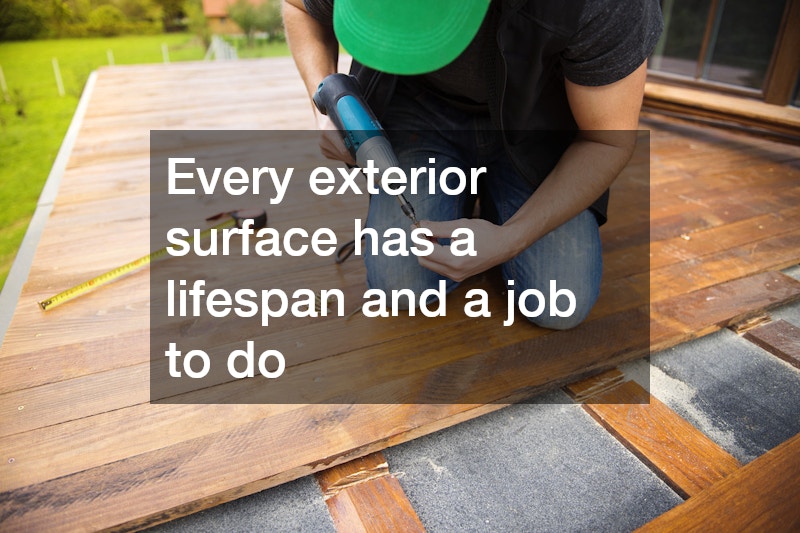
It also helps to remember that every exterior surface has a lifespan and a job to do. By respecting those limits and giving each part of your property the care it needs, you create an outdoor environment that works with you instead of against you. A thoughtful approach to cleaning and protection leads to a home that not only looks cared for, but also stands up better to weather, daily use, and the passage of time.